
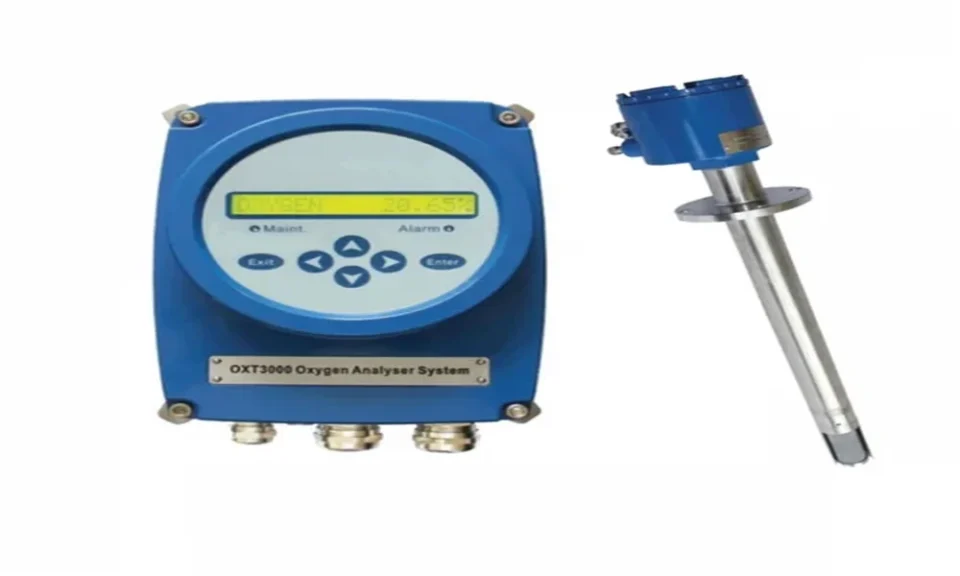
Oxygen analyzers measure the concentration of oxygen in gas streams and enclosed environments where oxygen levels have process, safety, or quality implications. The applications span industrial production, laboratory research, medical device manufacturing, food packaging, and confined space safety monitoring. In each case, knowing the precise oxygen concentration – and knowing it reliably and continuously, is the basis for controlling the process, ensuring the safety of personnel, and maintaining product quality.
Why Oxygen Concentration Matters
Oxygen concentration affects different applications in different ways. In inert atmosphere processes, where the production environment must exclude oxygen to prevent oxidation of the product, the analyzer confirms that the purge of the chamber with nitrogen, argon, or another inert gas has achieved the required low oxygen level before processing begins.
In food packaging under modified atmosphere, where nitrogen replaces most of the oxygen to extend shelf life, the oxygen analyser confirms that the headspace gas composition meets the specification before the package is sealed.
In confined space entry for maintenance and repair work, an oxygen analyser confirms that the space has adequate oxygen concentration for worker safety. Oxygen-deficient environments, created by displacement of oxygen with inert gases, nitrogen, or through biological oxygen consumption, are dangerous within seconds of exposure. A calibrated oxygen analyser is the instrument that provides the safety clearance.
Electrochemical vs Zirconia Sensors
The two principal oxygen sensing technologies are electrochemical cells and zirconia sensors. Each has characteristics that make it suited to different applications.
Electrochemical oxygen sensors are the standard for ambient and near-ambient concentration measurement. They are used in portable instruments, safety monitors, and fixed-installation detectors where oxygen concentration is measured in air or near-air mixtures. They respond reliably in the 0 to 25% oxygen range and are cost-effective for high-volume monitoring applications.
Zirconia (solid electrolyte) sensors operate at high temperatures and measure oxygen in process gases at extremes of concentration. They are used in combustion control, furnace atmosphere monitoring, and industrial processes where the gas temperature and composition are outside the range of electrochemical sensors.
As EDB has noted about Singapore’s process industries: “Measurement precision is the discipline that enables quality at scale.” For oxygen-critical processes, an oxygen analyzer is the measurement instrument at the heart of that precision.
Calibration and Maintenance
Oxygen analyzers require regular calibration against certified reference gases to maintain measurement accuracy. Electrochemical sensors have a finite lifetime, typically one to two years of continuous operation, and must be replaced when their output falls below the instrument’s accuracy specification.
A properly maintained oxygen analyzer provides reliable measurements throughout its service life. An analyser that is not calibrated regularly or whose sensor is past its service life provides readings that may appear valid but are not trustworthy. In safety and quality-critical applications, this distinction matters.
Mechlink Oxygen Analyzers
Mechlink supplies oxygen analyzers in Singapore for industrial, laboratory, and safety monitoring applications. Their range covers portable and fixed installation instruments from manufacturers with established reputations in gas analysis.
For Singapore facilities that require reliable oxygen measurement for process control, quality assurance, or personnel safety, Mechlink provides the analyzers and the technical support to implement a measurement programme that delivers accurate, dependable results.
