
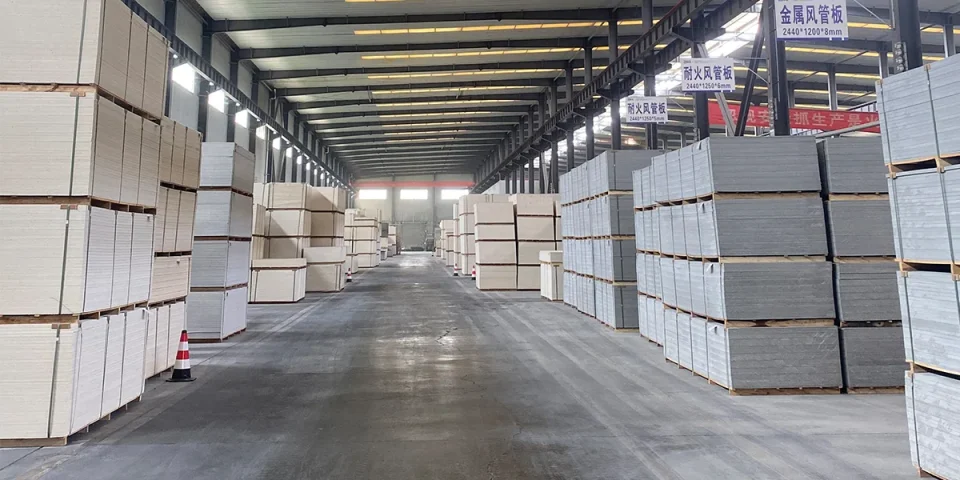
The construction industry is constantly evolving, with builders and architects searching for materials that combine strength, fire resistance, durability, and sustainability. Among the most talked-about materials in recent years are mgo boards and the versatile magnesium oxide board. These advanced building panels are transforming the way residential and commercial projects are designed and built.
If you’re exploring alternatives to traditional drywall, cement board, or plywood, understanding how mgo boards work—and why they are gaining popularity—can help you make smarter, long-term construction decisions.
What Are MGO Boards?
Mgo boards (short for magnesium oxide boards) are construction panels made primarily from magnesium oxide, magnesium chloride, and reinforcing materials such as fiberglass mesh. The result is a strong, stable board suitable for interior and exterior applications.
A magnesium oxide board is engineered to offer exceptional performance characteristics, including:
• High fire resistance
• Mold and mildew resistance
• Moisture resistance
• Structural stability
• Environmental sustainability
Unlike traditional gypsum drywall, mgo boards do not rely on paper facings, which means they are far less susceptible to moisture damage and mold growth.
Fire Resistance: A Major Advantage
One of the biggest reasons builders choose a magnesium oxide board is its superior fire performance. Magnesium oxide is naturally non-combustible, making mgo boards ideal for applications where fire safety is critical.
In residential homes, apartment buildings, commercial offices, and industrial facilities, fire-resistant materials are essential for meeting building codes and increasing occupant safety. Mgo boards can withstand high temperatures without releasing toxic smoke, unlike some traditional construction materials.
This makes a magnesium oxide board an excellent choice for:
• Fire-rated walls
• Ceilings
• Exterior sheathing
• Shaft walls
• Mechanical rooms
When safety is a priority, mgo boards provide an added layer of protection.
Moisture and Mold Resistance
Moisture damage is one of the most common problems in construction. Traditional drywall can warp, swell, and promote mold growth when exposed to water. In contrast, a magnesium oxide board is highly resistant to moisture.
Mgo boards do not feed mold because they contain no organic materials. This makes them especially suitable for:
• Bathrooms
• Kitchens
• Basements
• Exterior wall systems
• Humid climates
Because a magnesium oxide board maintains its integrity even in damp conditions, it reduces long-term maintenance costs and structural repairs.
Strength and Durability
Durability is another defining feature of mgo boards. These boards are impact-resistant and structurally stable, meaning they are less likely to crack, crumble, or degrade over time.
A magnesium oxide board typically offers:
• High compressive strength
• Excellent dimensional stability
• Resistance to pests and insects
• Long service life
For high-traffic areas or demanding commercial environments, mgo boards can outperform conventional gypsum or wood-based panels.
Eco-Friendly Construction Material
Sustainability is increasingly important in modern building practices. Mgo boards are often considered a more environmentally friendly alternative compared to traditional materials.
A magnesium oxide board can be manufactured with lower energy consumption than Portland cement products. Additionally:
• It does not contain harmful chemicals like formaldehyde
• It produces minimal waste
• It can contribute to green building certifications
• It offers long-term durability, reducing material replacement
For developers seeking eco-conscious construction solutions, mgo boards represent a forward-thinking option.
Versatile Applications
One of the key advantages of a magnesium oxide board is its versatility. Mgo boards can be cut, drilled, and fastened using standard construction tools, making them relatively easy to work with.
Common applications include:
• Interior wall panels
• Exterior sheathing
• Tile backing
• Subfloor underlayment
• Ceiling boards
• Decorative wall systems
Because a magnesium oxide board combines strength and flexibility, it adapts to both residential and commercial building designs.
Comparison to Traditional Materials
When comparing mgo boards to drywall or cement board, several differences stand out:
Drywall is lightweight and affordable but vulnerable to moisture and fire damage. Cement board is moisture-resistant but heavy and more difficult to install. A magnesium oxide board offers a balance of fire resistance, moisture protection, and manageable weight.
Builders increasingly choose mgo boards when they want:
• Improved fire ratings
• Greater durability
• Better performance in humid environments
• Long-term cost efficiency
While initial costs may vary, the long-term benefits of a magnesium oxide board often justify the investment.
Installation Considerations
Installing mgo boards is similar to working with other panel systems, but there are a few best practices to follow:
• Use corrosion-resistant fasteners
• Ensure proper sealing at joints
• Follow manufacturer guidelines for cutting and finishing
• Store boards in dry conditions before installation
A properly installed magnesium oxide board system can deliver decades of reliable performance.
The Future of MGO Boards in Construction
As building codes become stricter and sustainability standards rise, materials like mgo boards are likely to see continued growth in demand. Their fire-resistant, moisture-resistant, and eco-friendly properties position them as a strong competitor to traditional building panels.
Architects, contractors, and developers who prioritize safety, durability, and environmental responsibility are increasingly specifying magnesium oxide board products in both new construction and renovation projects.
In today’s construction landscape, choosing the right materials can significantly impact performance, longevity, and overall building value. With their combination of strength, safety, and sustainability, mgo boards and advanced magnesium oxide board solutions are shaping the future of modern building systems.
