
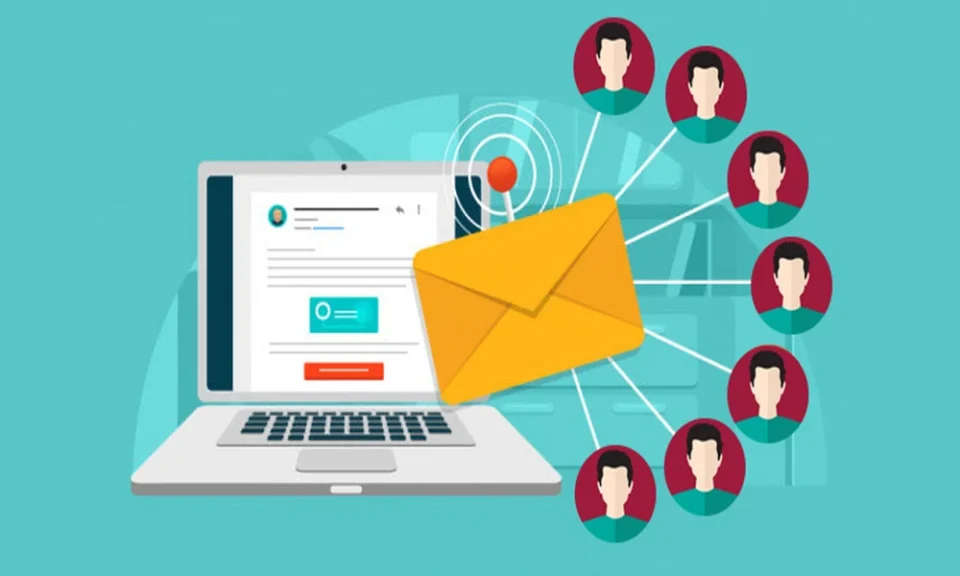
Email marketing is one of the most effective ways to connect with customers, but its success depends heavily on the quality of your email list. This is where email list cleaning, also known as email list hygiene, becomes important. It is the process of regularly reviewing your email list and removing invalid, inactive, or risky email addresses. By using email hygiene tools, businesses can improve email performance, reduce bounce rates, and ensure their messages reach the intended audience.
Over time, email lists naturally become outdated. People change jobs, switch email providers, abandon old accounts, or enter incorrect email addresses when signing up. If these contacts remain on your list, they can increase bounce rates and reduce engagement. Sending emails to inactive or invalid addresses can also damage your sender reputation, making it more difficult for future emails to reach inboxes.
One of the biggest benefits of email list cleaning is improved deliverability. Deliverability refers to the ability of your emails to reach subscribers’ inboxes rather than their spam folders. Email providers monitor factors such as bounce rates, spam complaints, and subscriber engagement. If too many emails are sent to invalid addresses or users who never interact with your content, providers may view your emails as unwanted. As a result, future campaigns may be filtered as spam.
Engagement rates improve with the help of a clean email list. When your audience consists mainly of active subscribers, open rates and click-through rates naturally increase. This gives businesses a more accurate understanding of campaign performance and helps them make better marketing decisions. In addition, removing inactive contacts can lower email marketing costs since many email platforms charge based on the number of subscribers.
To maintain a healthy email list, businesses should clean it regularly. A monthly review can help remove hard bounces, spam complaints, and inactive subscribers. A more detailed review every few months can identify outdated addresses, duplicate contacts, and temporary email accounts. It is also a good idea to clean the list after collecting a large number of new subscribers through events, promotions, or webinars.
There are several best practices that can make email list cleaning easier. Using double opt-in is one of the most effective methods. This requires subscribers to confirm their email address before joining the list, reducing the chances of fake or incorrect sign-ups. Real-time email validation can also help by checking whether an email address is valid at the moment of registration.
Another useful strategy is creating re-engagement campaigns. These campaigns target subscribers who have not opened or clicked emails for a long time. If they remain inactive after receiving a reminder, they can be removed from the list.
In conclusion, email list cleaning is not just about reducing the size of an email database. It is about improving the quality of the audience, protecting sender reputation, and increasing the effectiveness of email marketing campaigns. Regular list maintenance helps businesses reach the right people, achieve better results, and build stronger relationships with their subscribers.
