
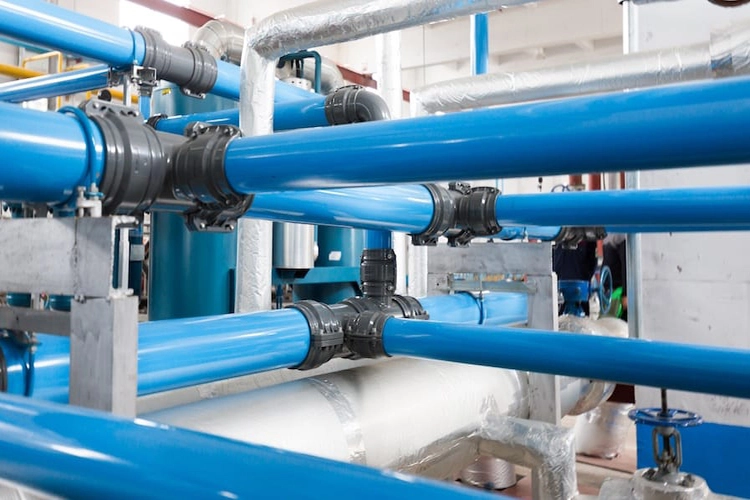
Choosing air distribution that keeps pressure steady, resists wear, and supports growth is rarely as simple as matching pipe diameters. Facilities need a system that protects compressors from unnecessary load while delivering clean, reliable air to every point of use. If you’re deciding how to design or upgrade your network, Start Here to understand how materials and layout move the needle on total cost of ownership. We’ll compare steel, copper, and aluminum for how they affect pressure drop, leaks, corrosion, and maintenance. Along the way, you’ll see which choices align with the Best Air Piping strategies for energy efficiency and uptime, and how installation and scalability shape long-term performance.
Comparing Steel, Copper, and Aluminum for Performance
Performance in a compressed air network hinges on friction, weight, joint integrity, and cleanliness. Traditional carbon steel (often black iron or galvanized) is robust, but its rough interior amplifies frictional losses and its mass makes overhead runs more demanding. Copper offers a smooth bore and strong joints when brazed properly, yet costs more and adds thermal conductivity that can warm or cool air in ways you may or may not want. Aluminum piping systems feature extruded, smooth interiors and engineered fittings that minimize turbulence, which lowers pressure drop at comparable flows. Across multiple lines and long mains, those friction differences directly influence compressor setpoints, cycle rates, and energy draw.
Real-World Performance Tradeoffs
Steel’s strength favors high-impact zones and rugged environments, but its threaded or welded joints are slower to install and more prone to imperfections that become future leak paths. Copper shines in cleanliness and stability; it tolerates heat, supports reliable brazed joints, and presents fewer internal obstructions than threaded steel. Aluminum stands out for lightweight handling, fast push-to-connect fittings, and low internal roughness, translating into consistent pressure at tools. When facilities model pressure profiles from compressor to drop legs, aluminum’s reduced losses often allow smaller compressors or lower discharge pressure, shrinking energy use and heat rejection. In practice, material choice is less about tradition and more about cumulative performance—how effectively the pipe preserves the air your compressors produce.
Leak-Prevention Capabilities That Improve System Output
Leaks are the stealth drain on compressor capacity, forcing higher duty cycles and masking undersized mains or inefficient endpoints. Threaded steel joints can be robust at installation, but sealing compounds degrade, vibration loosens connections, and corrosion introduces new micro-leaks. Copper’s brazed joints resist vibration very well, yet small workmanship flaws can hide until pressure ramps up. Aluminum systems typically use O-ring seals and mechanically locked fittings designed to maintain compression over thermal cycles and vibration, which materially reduces leak formation when installed to specification. Over time, leak resistance saves energy and preserves pressure at points of use, lowering the temptation to boost system setpoints.
Design Features That Reduce Leaks
Leak prevention is a materials decision and a layout discipline. Closed-loop mains with balanced feeds reduce pressure differentials that stress joints, while isolation valves and service tees make it easy to address issues without shutting down a line. Aluminum’s modular fittings make it practical to correct alignment and torque precisely, helping maintain seal integrity. Copper, with high-skill brazing, is excellent for permanent joints but less forgiving for repeated changes, which can introduce rework risks. If leak-free uptime is the goal, favor systems and methods that maintain joint compression, limit vibration, and make inspection and rework fast, because the “small drips” are exactly what swell operating costs in busy plants.
Corrosion Resistance as a Key Factor in Material Choice
Corrosion degrades airflow by roughening pipe interiors, shedding particulates, and accelerating leaks. In steel piping, even with galvanization, moisture and the chemistry of compressor condensate eventually create oxidation, causing scale that plugs filters and damages instrumentation. Copper offers a natural resistance to many forms of corrosion, forming a stable patina that does not flake into the airstream, though specific contaminants (like ammonia compounds) deserve caution. Aluminum forms an oxide layer that protects the metal underneath, maintaining internal smoothness and minimizing particulate generation. The less corrosion you have, the less you fight variable pressure drops and downstream fouling of valves, regulators, and tools.
Environmental and Air-Quality Variables
Corrosion isn’t only about the base metal—it’s also about ambient conditions and air quality from the compressor train. High humidity, chlorides, or acidic condensate can challenge any system, which is why upstream drying and filtration matter as much as pipe selection. Copper and aluminum typically maintain cleaner bores over time, reducing filter load and preserving laminar flow at the same velocities. When facilities mix metals, they should anticipate galvanic effects; carefully placed dielectric unions and consistent material runs help prevent accelerated degradation. For plants prioritizing the Best Air Piping practices, pairing reliable drying with corrosion-resistant mains delivers stable pressure and predictable maintenance intervals.
Installation Speed and Ease Across Industrial Settings
Installation time translates to downtime, labor cost, and project risk. Steel requires threading or welding, heavy lifts, and attention to sealing compounds—steps that slow projects and complicate changes after commissioning. Copper demands skilled brazing and careful purging for clean joints; while lighter than steel, it still requires hot work permits and fire watch in many jurisdictions. Aluminum systems, by contrast, minimize hot work and allow quick cutting, deburring, and push-to-connect or mechanically locked assembly, which often compresses timelines for live facilities. The reduced need for specialized tools and overhead rigging can shrink both schedule and safety exposure.
Labor, Tools, and Safety Considerations
Project planners evaluate not just material cost but the entire install envelope: permits, staging, skilled trade availability, and how fast the network can go live. Aluminum piping is favored in occupied facilities because it avoids welding fumes and open flame, often allowing weekend or overnight installations that keep production running. Copper can meet similar schedules where skilled brazers are plentiful, but testing and cooldown add time before pressurization. Steel remains viable in heavy-duty zones, though its labor and safety profile pushes many teams to reserve it for specific areas rather than full-plant mains. When the objective is the Best Air Piping outcome with minimum disruption, lighter, modular assemblies usually deliver the most predictable installation curves.
Scalability Requirements for Expanding Air Networks
Growth is a reality for many plants, and piping that resists change becomes a bottleneck. Steel mains can handle future loads if initially oversized, yet rework involves threading, welding, or cutting into systems that may not be easy to shut down. Copper expansions are clean and durable but hinge on hot work access and qualified labor; adding drops in tight or occupied spaces often complicates schedules. Aluminum’s modularity enables fast additions—pre-engineered tees, valves, and manifolds let teams create new branches without extensive rework or debris. Over a multi-year plan, the capacity to add runs and drops with minimal downtime pays off more than upfront material savings.
Planning for Tomorrow Without Overbuilding
Scalable design is a balance between not overspending on day one and not throttling tomorrow’s output. Standard practices such as ring mains, strategically placed expansion ports, and service valves prepare the network for new equipment with minimal disruption. Start Here if you want to map phased growth: identify likely expansion zones, reserve straight lengths for future tees, and maintain clear, labeled access. Aluminum systems help because they accept changes without hot work, and their fittings maintain consistent inner diameters that preserve flow performance as branches multiply. Copper can serve well in stable environments, while steel fits fixed layouts; but where growth is expected, modular aluminum often aligns best with adaptive manufacturing footprints.
Pressure Control Considerations for High-Demand Systems
Stable pressure keeps tools efficient and avoids compensating with higher compressor setpoints. Pressure drop accumulates across long runs, elbows, filters, and regulators; smoother materials and gentle routing pay back in lower delta-P. Steel’s rougher bore and threaded fittings add turbulence, while copper and aluminum sustain more consistent velocities at a given diameter. Thoughtful sizing of mains for slower air speeds, combined with well-placed receiver tanks near transient loads, reduces dips that trigger compressors or starve tools. Good layout—short branch lines, minimal restrictive fittings, and clean drops—cuts energy use while prolonging equipment life.
Sizing, Layout, and Controls That Stabilize Pressure
Effective pressure control is a system of parts working together: right-sized pipe, smart regulation, and responsive storage. Install high-quality regulators and consider pressure zoning to segregate high-demand areas from sensitive processes, preventing localized surges from upsetting the whole plant. Aluminum’s low-friction path helps maintain setpoints, so FRLs and point-of-use regulators can do their job without being asked to correct large upstream losses. Copper’s steady flow characteristics also perform well, particularly in clean, thermally stable environments. When aiming for the Best Air Piping outcomes, don’t overlook monitoring—pressure sensors at mains and critical drops reveal trends early, enabling you to tune flows instead of over-pressurizing to hide avoidable losses.
Why Aluminum Leads as the Modern Air Piping Standard
When you tally energy efficiency, uptime, air quality, and ease of modification, aluminum consistently outperforms legacy approaches for most commercial and industrial settings. Its smooth-bore extrusions reduce friction, so compressors run at lower discharge pressures and cycle less often, saving energy and heat. Non-corroding interiors help maintain clean, dry air, protecting valves and instrumentation that would otherwise suffer with rust scale or flux residue. Lightweight sections make installation safer and faster with fewer specialized tools, and push-to-connect or mechanically secured fittings maintain reliable seals that resist vibration. Over a system’s life, those advantages deliver reliability that keeps production lines steady and maintenance teams focused on prevention, not repairs.
The Total Cost-of-Ownership Advantage
Facilities that prioritize lifecycle value Start Here: model energy, maintenance, and expansion alongside material and labor. Aluminum’s modularity makes change orders and future equipment moves low risk, reducing downtime windows and permitting hurdles. Cleaner air pathways protect downstream filters and dryers, while stable pressures keep tools efficient without creeping setpoints that inflate energy bills. Copper remains a solid contender where cleanliness and heat tolerance dominate, and steel retains niche value in specific high-impact or high-temperature zones. Yet for plants intent on the Best Air Piping strategy—low pressure drop, corrosion resistance, rapid installation, and painless scalability—aluminum is the standard that best aligns with modern operational demands.
